Portrait photography held a central place in the medium’s early history. The challenge of long exposure times was addressed through specialised fixing and support devices — such as Sarony’s universal head mount — though considerable patience was still required of the subject.
The human figure was a driving force behind photographic progress from the very beginning. Following the announcement of Louis Daguerre’s patent in 1839, the depiction of persons became the dominant subject from 1840 onwards — a direct continuation of portrait painting. Picture conventions from that tradition persisted for the next three decades. Many early investors in cameras were portrait and miniature painters, and technical advances both in camera optics and in chemical development processes allowed increasingly natural poses: early lenses already made it possible to photograph people standing upright.
From the late 1850s into the early 1860s, portrait photography underwent a remarkable surge in popularity, due in large part to the French photographer André Adolphe-Eugène Disdéri. Convinced that photographic portraits were financially out of reach for most people, he developed a smaller format — approximately 6 × 9 cm — known as the carte de visite, which he patented in 1854. The challenge then lay in scaling up production while driving down costs, a problem he eventually solved. Studios across Europe quickly adopted the format.
A significant moment came in May 1859, when Disdéri photographed Emperor Napoleon III and his consort — an event that helped legitimise the small-format portrait and broadened its appeal. In this way, portrait photography became an instrument of social democratisation.
Until the 1880s, portraits were almost exclusively made in studios. German photographers Hugo Erfurth and Rudolf Dührkoop were among the first to take their cameras out into the world, bringing a new naturalism to portraiture.
At its core, portrait photography is a document of its time — reflecting the aesthetic sensibilities and social values of any given era.
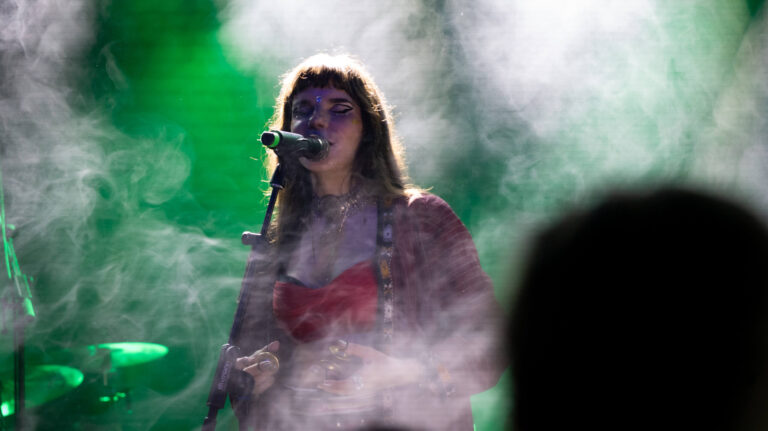
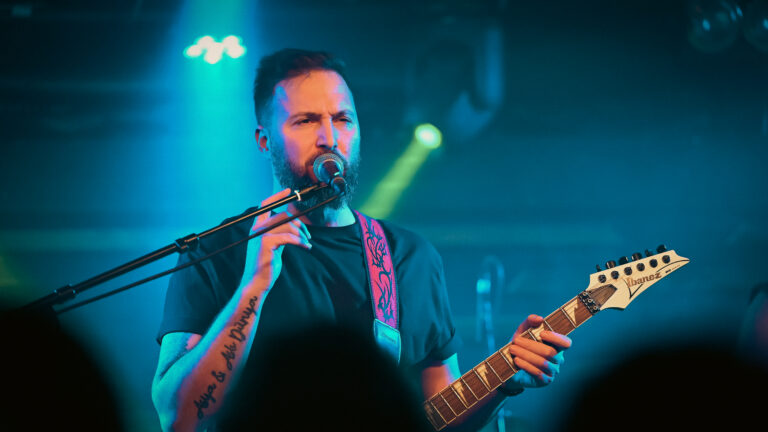
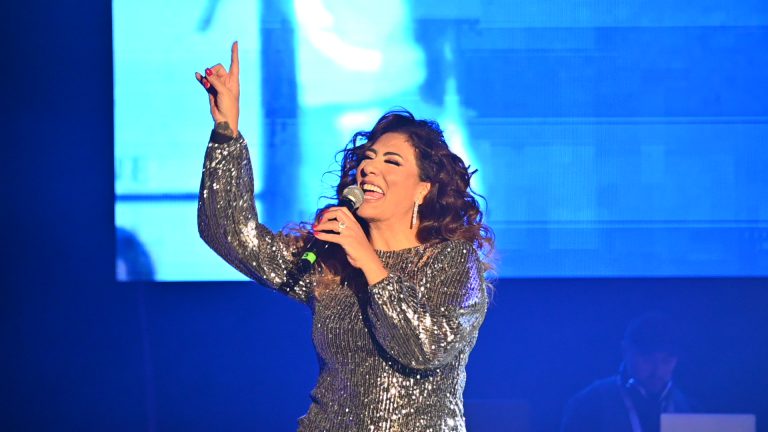
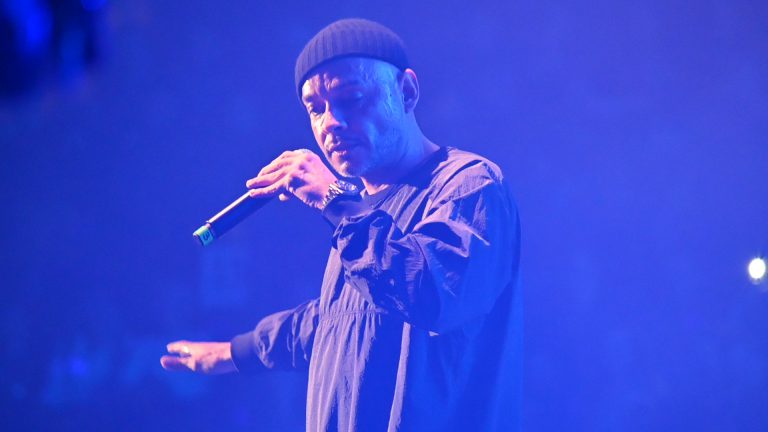
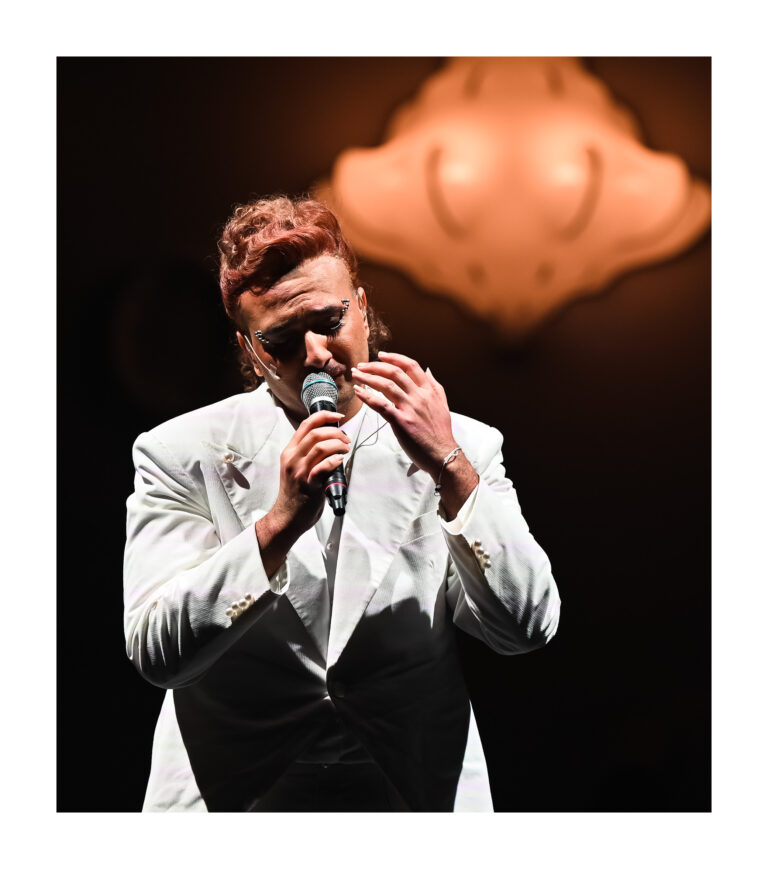
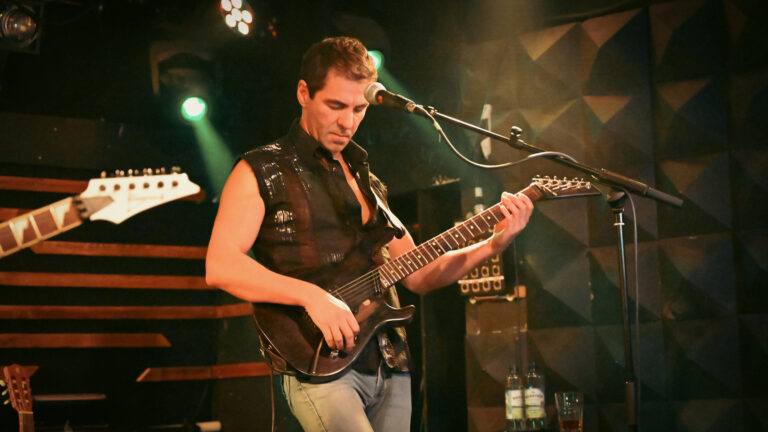
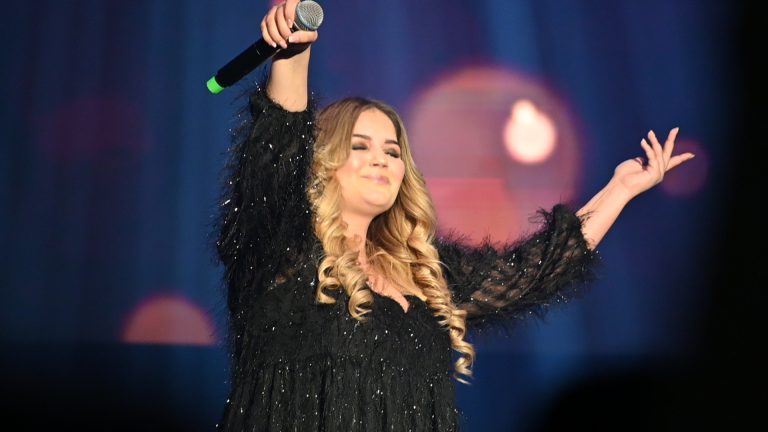
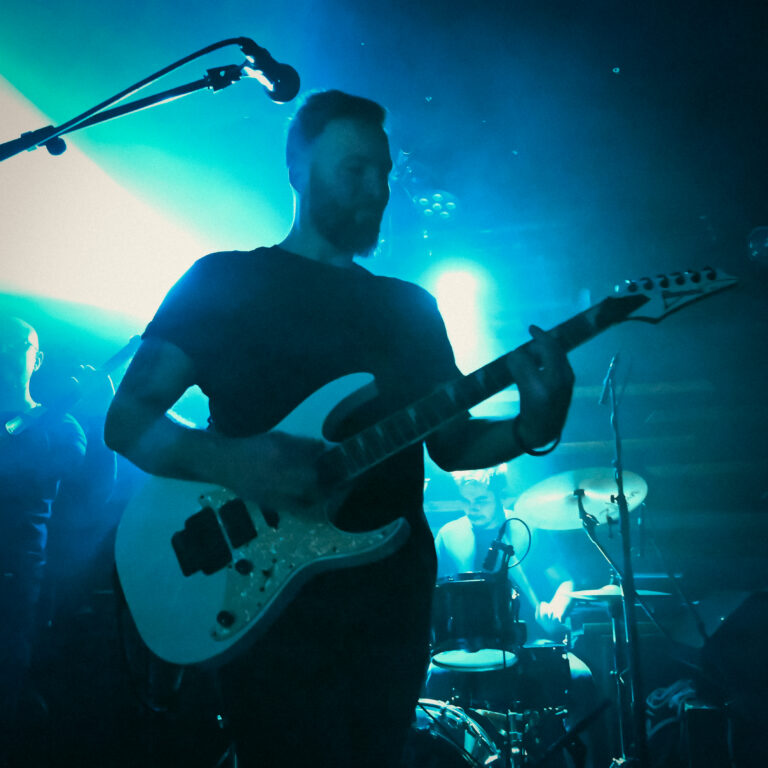
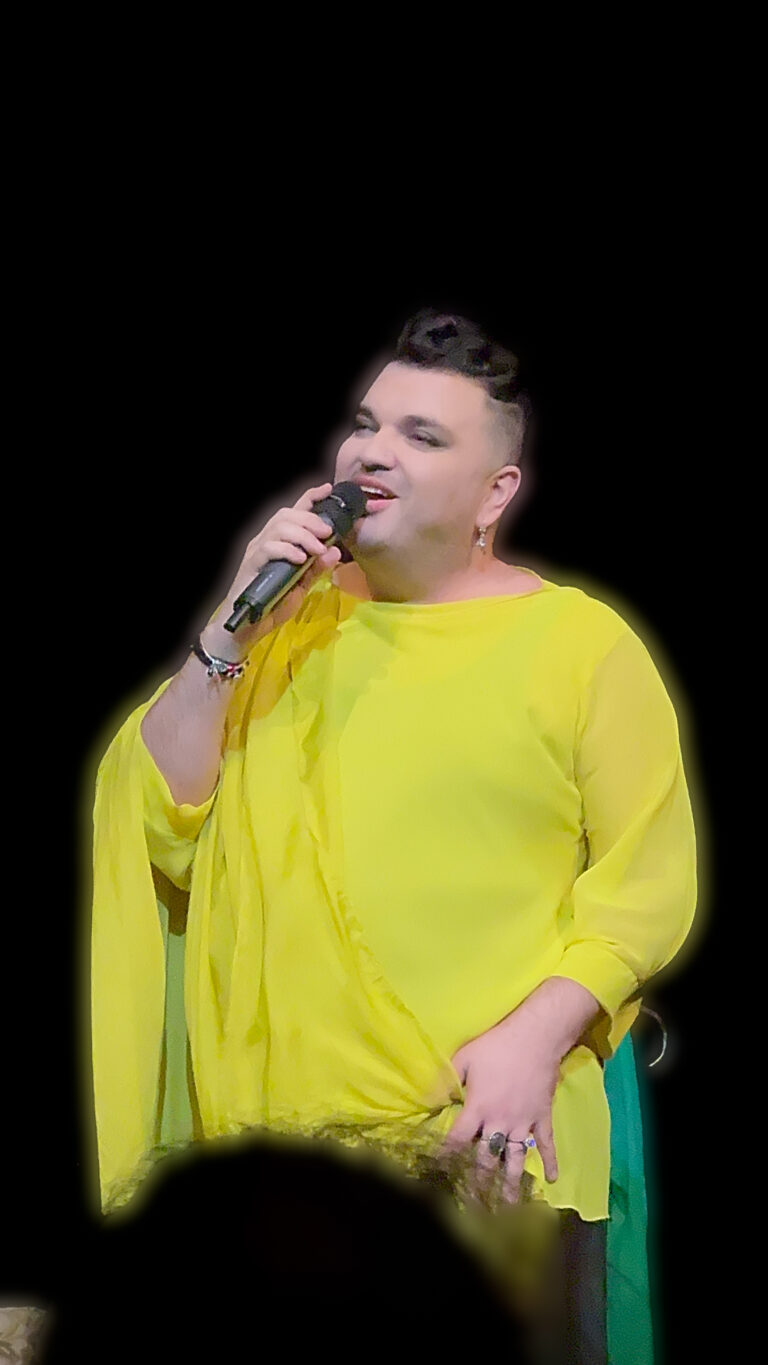
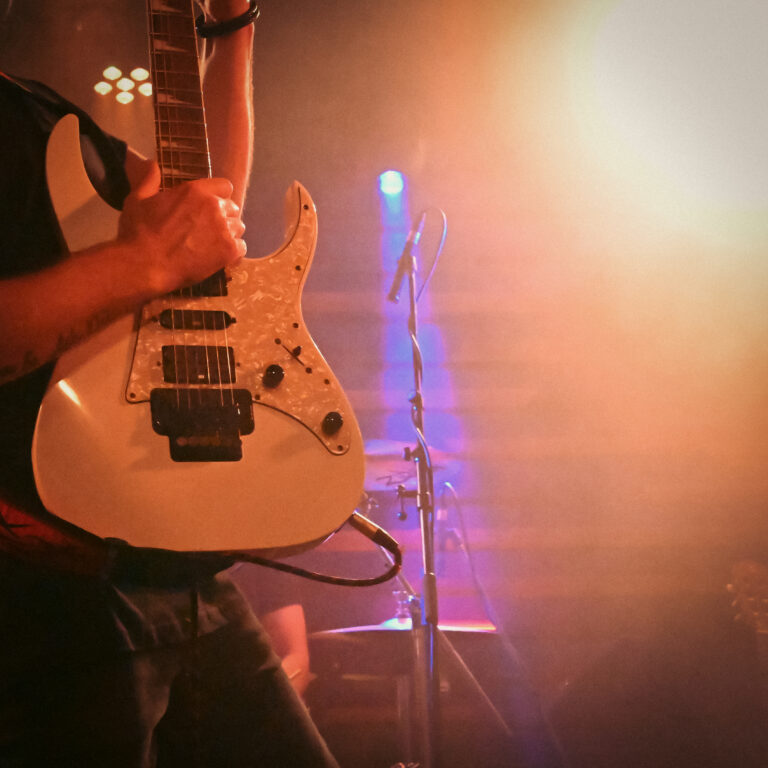
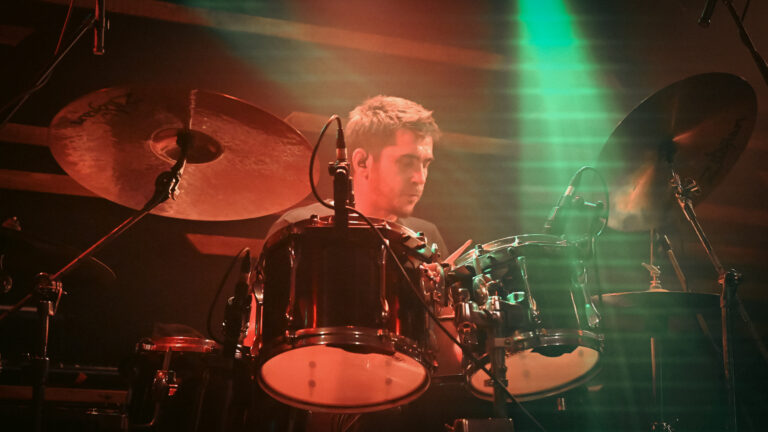
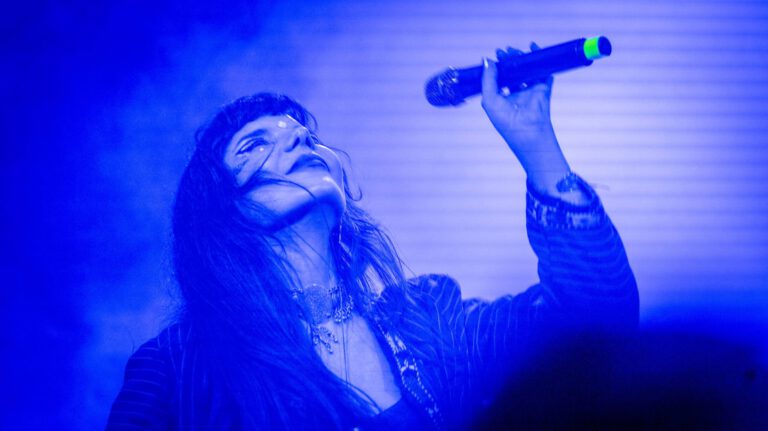
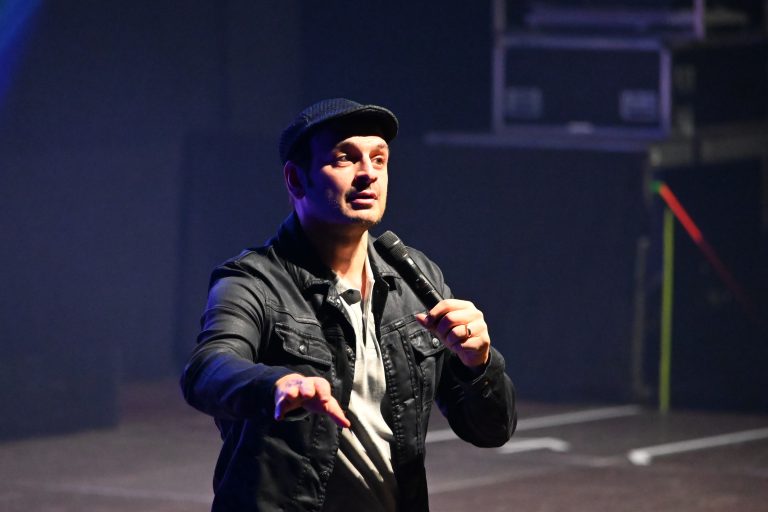
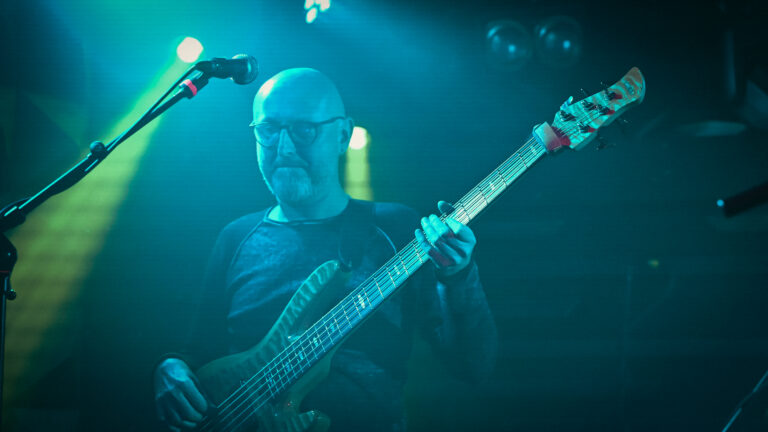
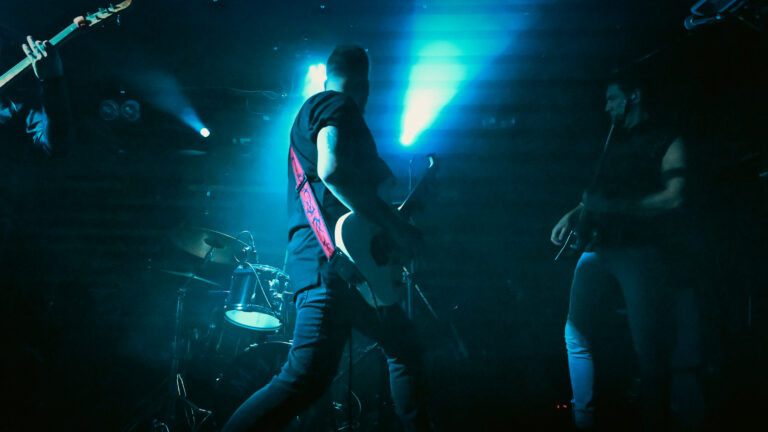
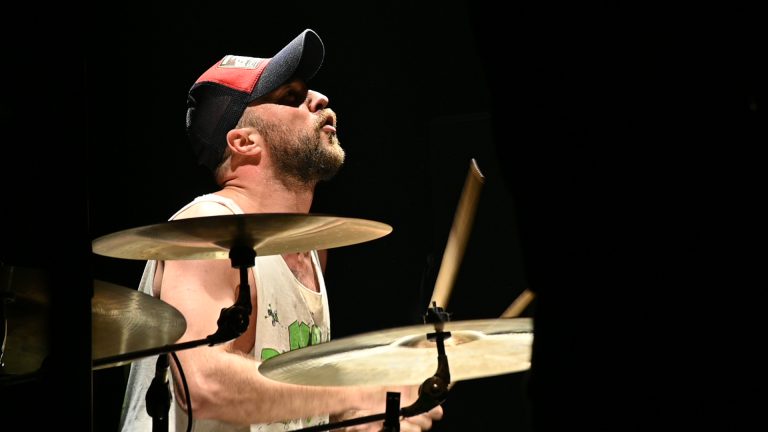
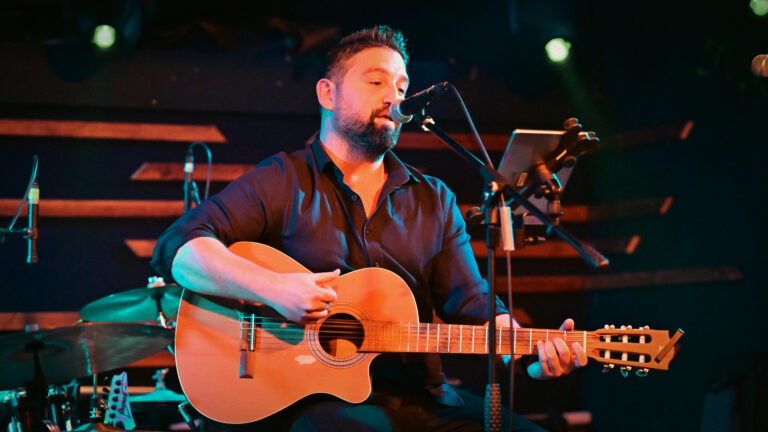
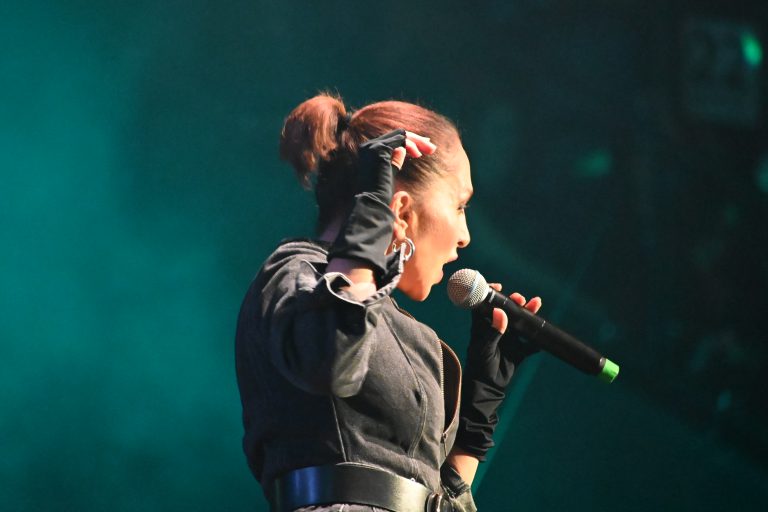
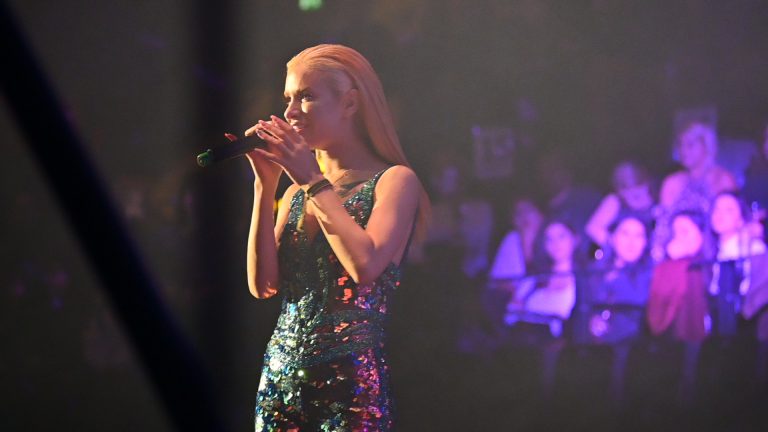
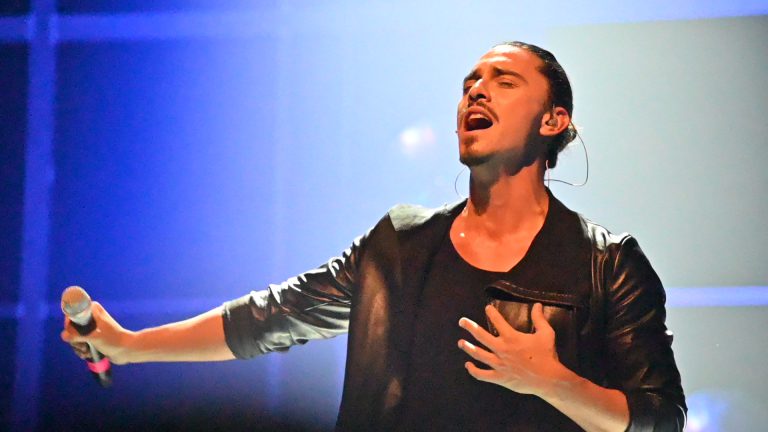
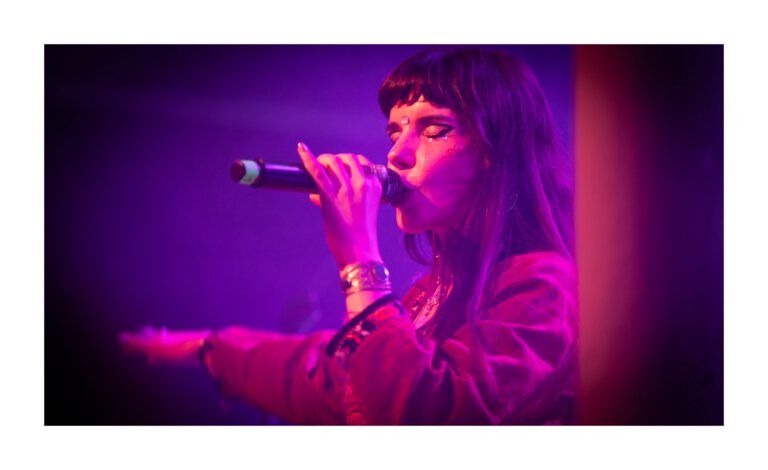
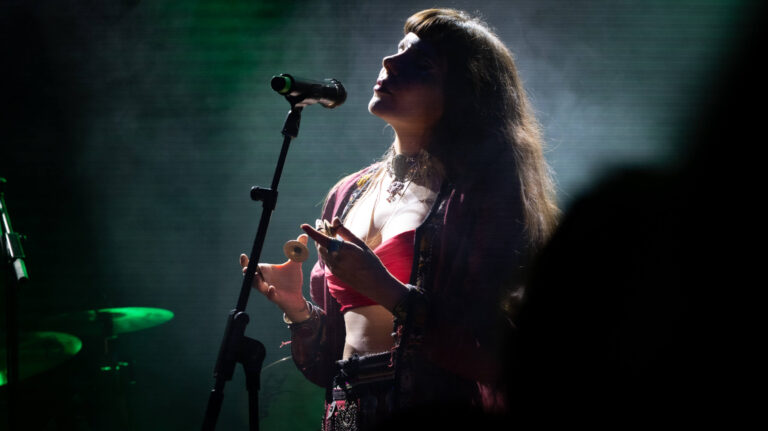
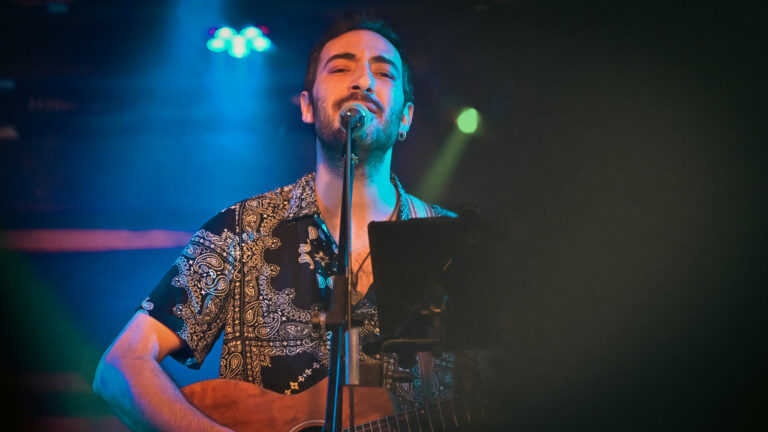
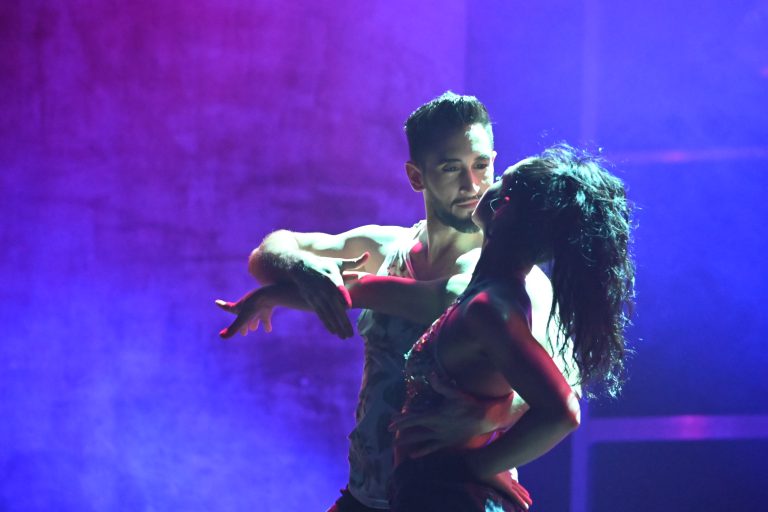
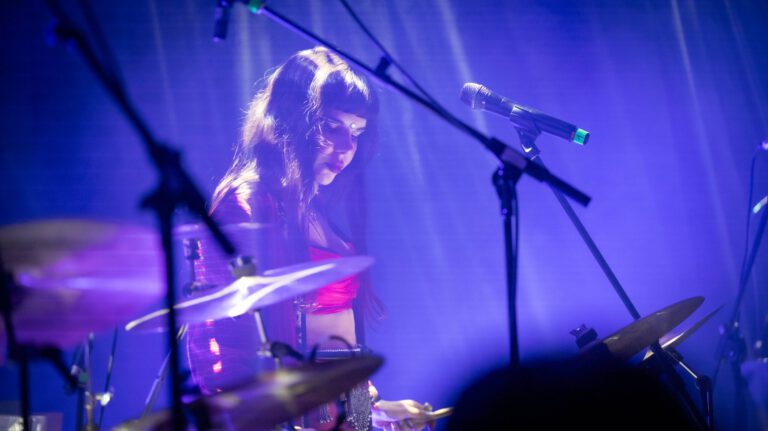
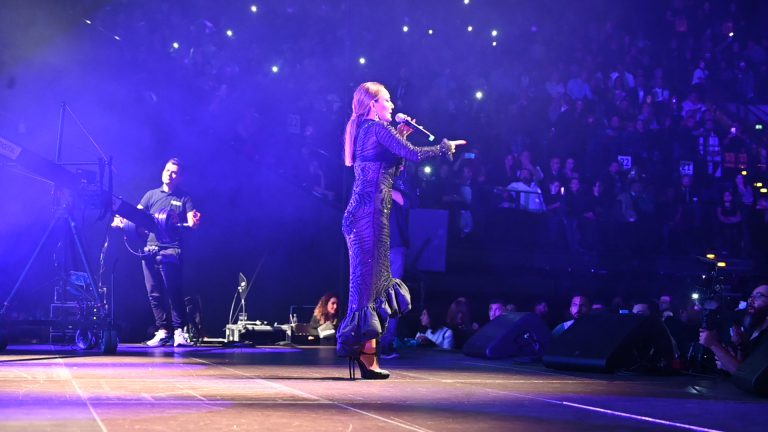
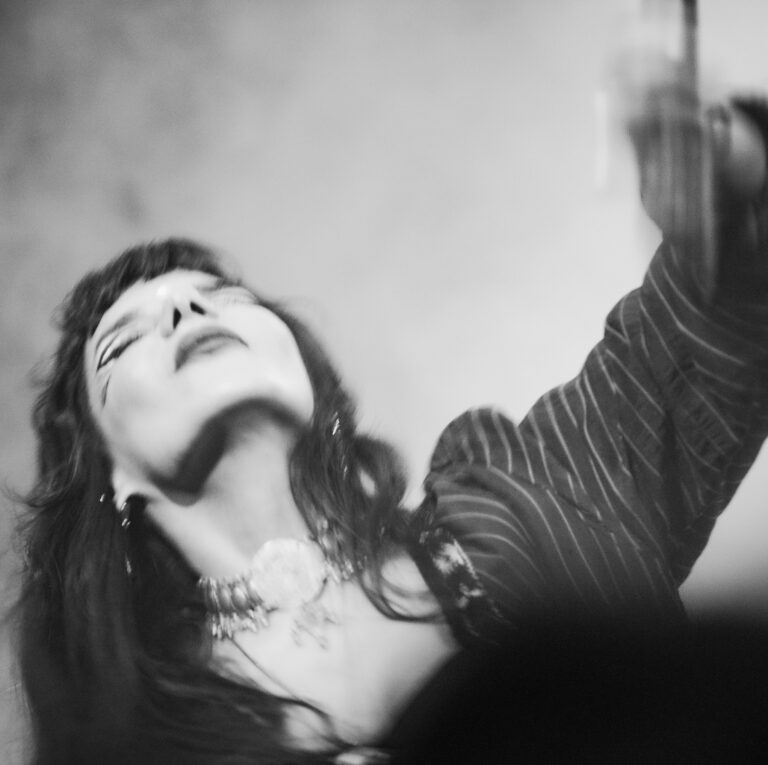
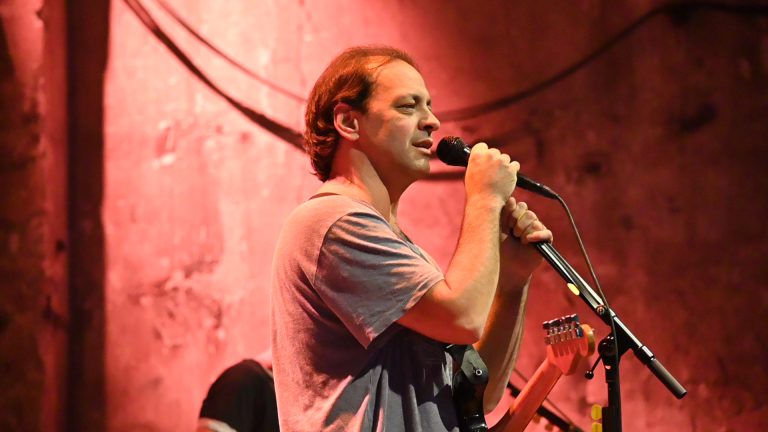
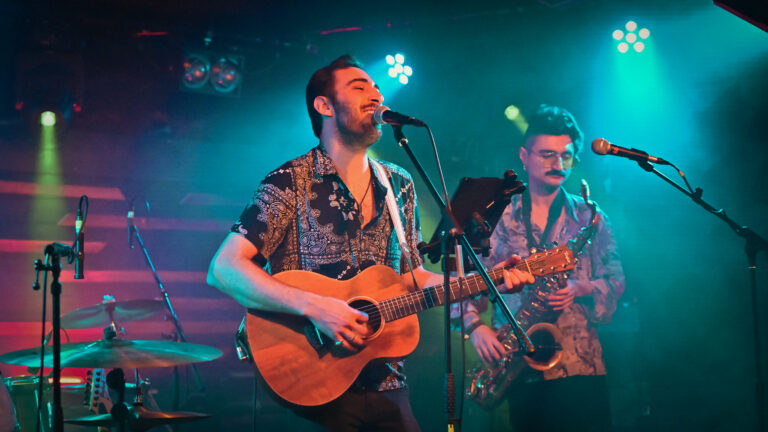
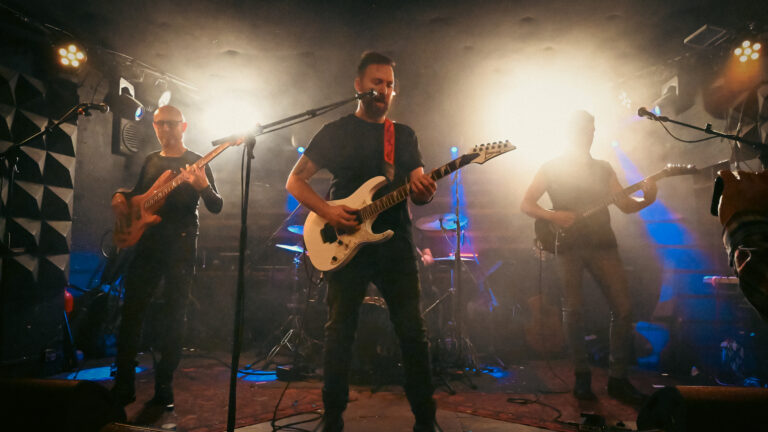
This also extends to event photography, where musicians, entertainers and performers are captured in context. The selection below features photographs I took in the last years.
Gaye Su Akyol | Club Gretchen Berlin Fotograf: Leyla Dirim
Du muss angemeldet sein, um einen Kommentar zu veröffentlichen.
Sofern Sie Ihre Datenschutzeinstellungen ändern möchten z.B. Erteilung von Einwilligungen, Widerruf bereits erteilter Einwilligungen klicken Sie auf nachfolgenden Button.
Einstellungen
Du muss angemeldet sein, um einen Kommentar zu veröffentlichen.